
Case Study: HUPFER
Bringing internal communication directly to the production floor
HUPFER uses Kibi Connect to reach employees in production and other operational areas more directly. Instead of distributing information only through email, notices or indirect follow-up questions, a central communication channel now exists that also includes teams without a permanent PC workstation.

HUPFER
Established industrial company with operational teams in day-to-day production
400+
Employees in a communication context spanning office and shopfloor
Direct
Internal communication that reaches operational teams without detours
1 The starting point
Internal communication had to work not only for office teams, but also for employees in operational production contexts. Traditional channels are rarely enough here: information arrives too late, is difficult to trace or gets lost entirely between notices, conversations and isolated side channels.
- Important updates did not automatically reach employees on the production floor via traditional office channels.
- Information was spread across email, informal conversations, notices and individual follow-up questions.
- Feedback and questions often returned with delay because there was no shared communication context.
- Recurring rules, responsibilities and internal knowledge were not available in one easy-to-access place.
2 The objective
The goal was a solution that centralises internal communication, directly includes operational teams and remains easy enough to actually be used in daily work.
- Reach employees in production and other operational areas directly.
- Make company news and operational information centrally available on mobile.
- Collect reactions and feedback more quickly and transparently.
- Keep recurring information, functions and knowledge permanently accessible on one platform.
3 The solution: Kibi Connect
For HUPFER, the main value lies in reaching employees on the shopfloor more reliably with internal communication. News and push notifications create a central place for important updates, while the dashboard reduces search effort in day-to-day use.
At the same time, reactions and comments help keep feedback in context instead of moving it into detached side channels. This makes communication not only faster, but more transparent and easier to follow up.
Recurring content can also be made permanently available through knowledge and content modules, so internal information remains accessible beyond the moment of publication.
In its current state, the collaboration especially shows these strengths:
- News and push updates create one central channel for internal communication.
- Dashboard and direct shortcuts reduce search effort in day-to-day operations.
- Reactions and comments keep feedback attached to the relevant post instead of moving into side channels.
- Wiki and related content modules make recurring information permanently accessible.
4 The impact
HUPFER now reaches employees in production much more directly with internal information. Important updates remain less dependent on office-centric tools and become accessible where day-to-day work actually happens.
At the same time, communication becomes more transparent: posts, reactions and central content stay in one place instead of being spread across multiple tools. That creates clearer alignment across office and operational teams.
The app has completely transformed our internal communication — faster, more direct and more transparent.

Hannah Maas
HUPFER
In daily use at HUPFER
Key communication building blocks in one platform
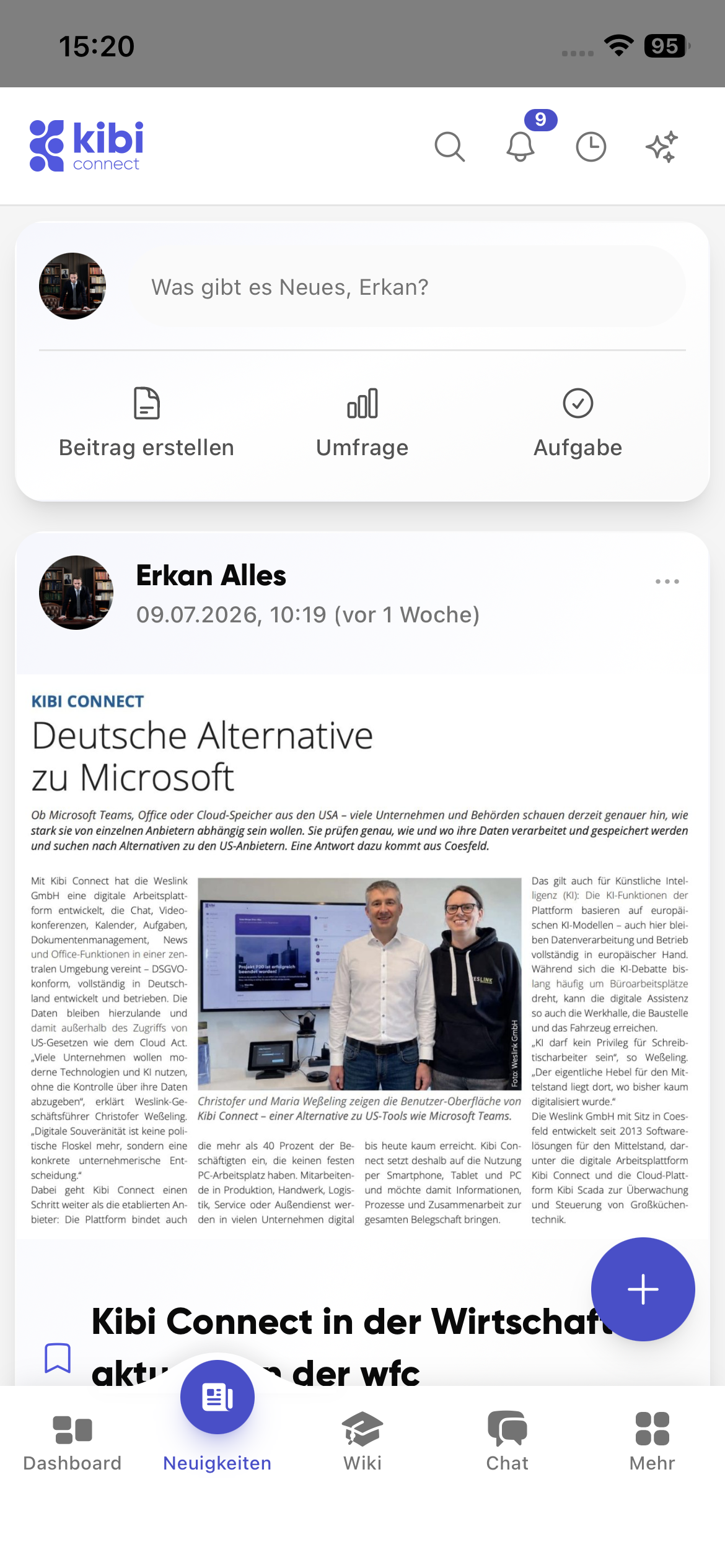
Communicate important updates centrally
Company news, organisational changes and important notices can be published centrally so they are also visible to employees without a fixed desk workplace.
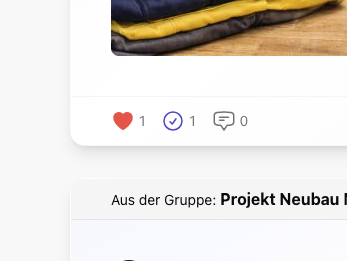
Keep reactions in context
Reactions, comments and short feedback stay directly attached to the post. This makes communication more transparent and follow-up questions easier to trace.
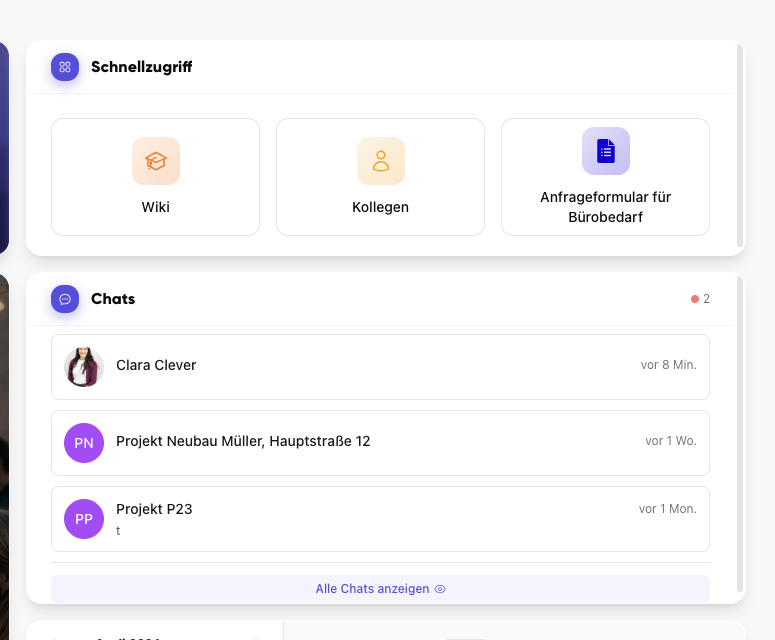
Open key functions directly
The dashboard becomes a practical starting point for operational teams so relevant functions and content can be opened without unnecessary searching.
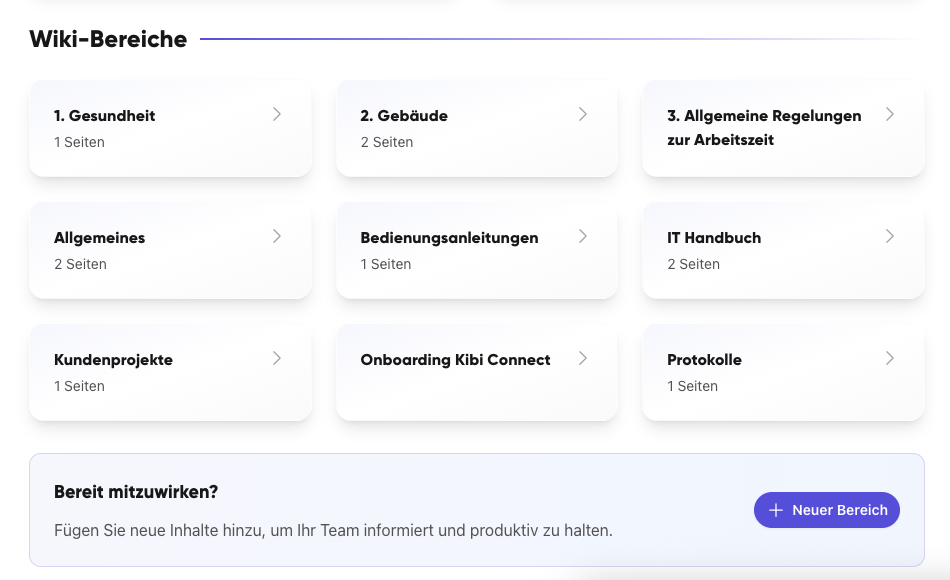
Keep rules and knowledge available
Recurring content such as guidelines, onboarding topics or internal information remains structured and available in one central place.
Conclusion
The HUPFER case shows that internal communication only becomes effective when it reaches beyond the office and directly supports operational teams in daily work.
This first case study structure can be extended in the next step with additional KPIs, rollout details and further visual material without rebuilding the page.
Would you also like to bring internal communication into operational teams?
In a personal conversation, we can review how Kibi Connect could connect communication, information and feedback flows in your organisation as well.



Your contacts at Kibi
Christofer, Maria, Verena
Christofer, Maria and Verena advise you personally, run demos and webinars, and guide you through the rollout in your company.